
When Was Volleyball Added to the Olympics?
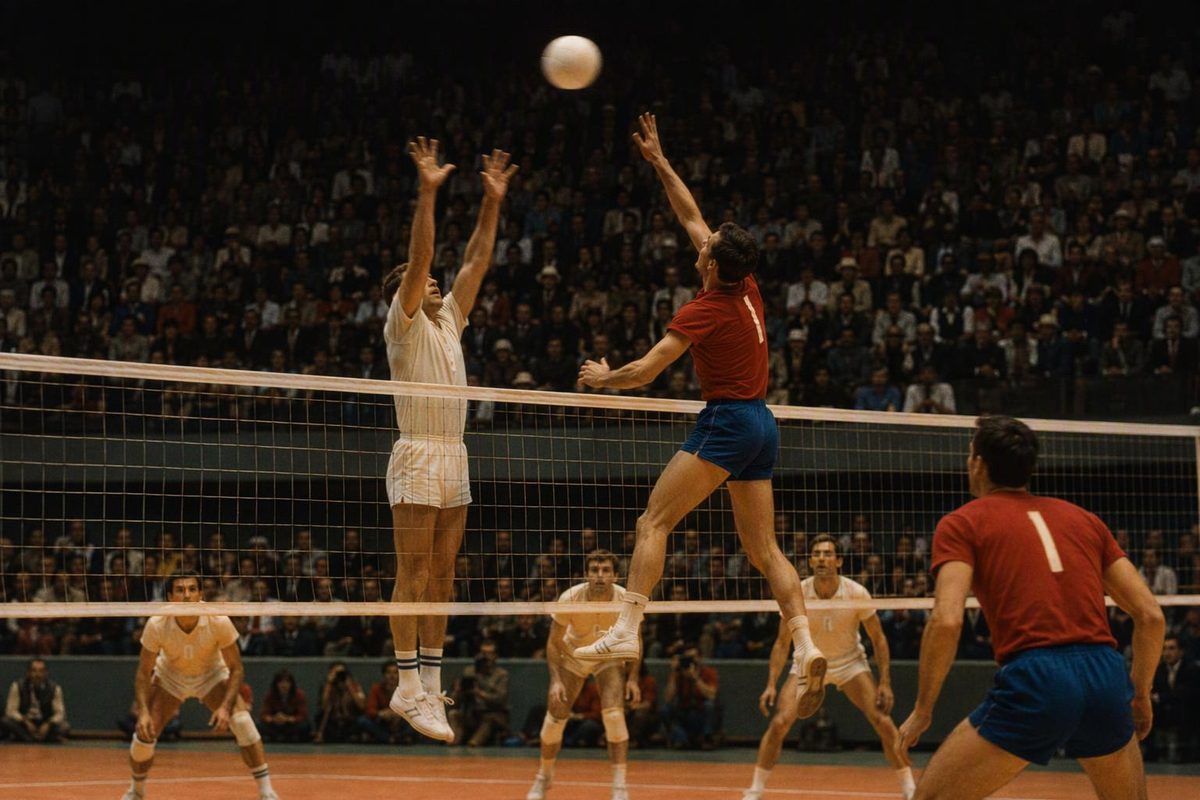
Indoor volleyball debuted at Tokyo 1964 for men and women; beach followed at Atlanta 1996. Learn why 1957 also appears and how early scores worked.
Indoor volleyball made its Olympic medal debut at Tokyo 1964, with both men’s and women’s competitions, as recorded in FIVB’s indoor history. Beach volleyball debuted later, at Atlanta 1996, also with events for men and women, according to FIVB’s beach retrospective. These are separate Olympic disciplines, so the answer depends on which version you mean.
Why do some histories mention 1957?
The International Olympic Committee granted indoor volleyball Olympic status in 1957. Its first Olympic competition followed seven years later, in 1964. In other words, 1957 is the recognition date; 1964 is the answer when you mean the first Games where volleyball medals were awarded. Olympics.com’s history of volleyball distinguishes the two milestones.
The first Olympic volleyball champions
| Discipline | First Olympic medal competition | Men’s first gold medallists | Women’s first gold medallists |
|---|---|---|---|
| Indoor volleyball | Tokyo 1964 | Soviet Union | Japan |
| Beach volleyball | Atlanta 1996 | Karch Kiraly and Kent Steffes, USA | Jackie Silva and Sandra Pires, Brazil |
The FIVB’s Tokyo retrospective records the first indoor champions, while its Atlanta retrospective identifies the first beach gold-medal pairs. For the sand competition’s separate history, see when beach volleyball was introduced to the Olympics.
Why the 1964 set scores look different
Japan beat the Soviet Union in the women’s tournament 15–11, 15–8, 15–13, according to FIVB’s account of the match. That is a 3–0 match result: Japan won three sets, not three rally points. The individual set scores show how many points each team recorded within those sets.
Those scores belong to the older side-out scoring era, when only the serving team could score a point. Winning a rally while receiving earned the serve instead. Today’s indoor game uses rally scoring: the rally winner earns a point regardless of who served. Sets one through four go to 25, and a deciding fifth set goes to 15, always requiring a two-point margin. FIVB’s scoring explanation describes both systems.
For example, if a receiving team wins a rally while trailing 10–11, modern rally scoring makes it 11–11. Under the old side-out system, it remained 10–11, but that team gained the serve. So an early Olympic set ending 15–11 does not tell you that only 26 rallies were played.
Keep that scoring distinction in mind when reading the Olympic indoor volleyball set-score archive.